
Dear Friend of DKT,
At a time of enormous global disruption, including supply chain challenges and funding uncertainty, DKT remains a steady presence, ensuring reliable access to essential commodities and services when people need them most. Whether it’s through mobile clinics, community festivals, or innovative approaches to family planning, the work is serious, but it’s never dull. Below you will find a few stories that reflect DKT’s work in this space.
In the coming months, we’ll be sharing our full 2025 results. Although we are still compiling and crunching our numbers, it looks like another record-breaking year.
I’m excited about what 2026 has in store. At a time of uncertainty, DKT is looking boldly at ways we can fuel growth, fill gaps, and meet the needs of underserved communities.
Cheers,
Christopher Purdy
Snip, snip, hooray! Vasectomies are changing how men contribute to family planning around the world
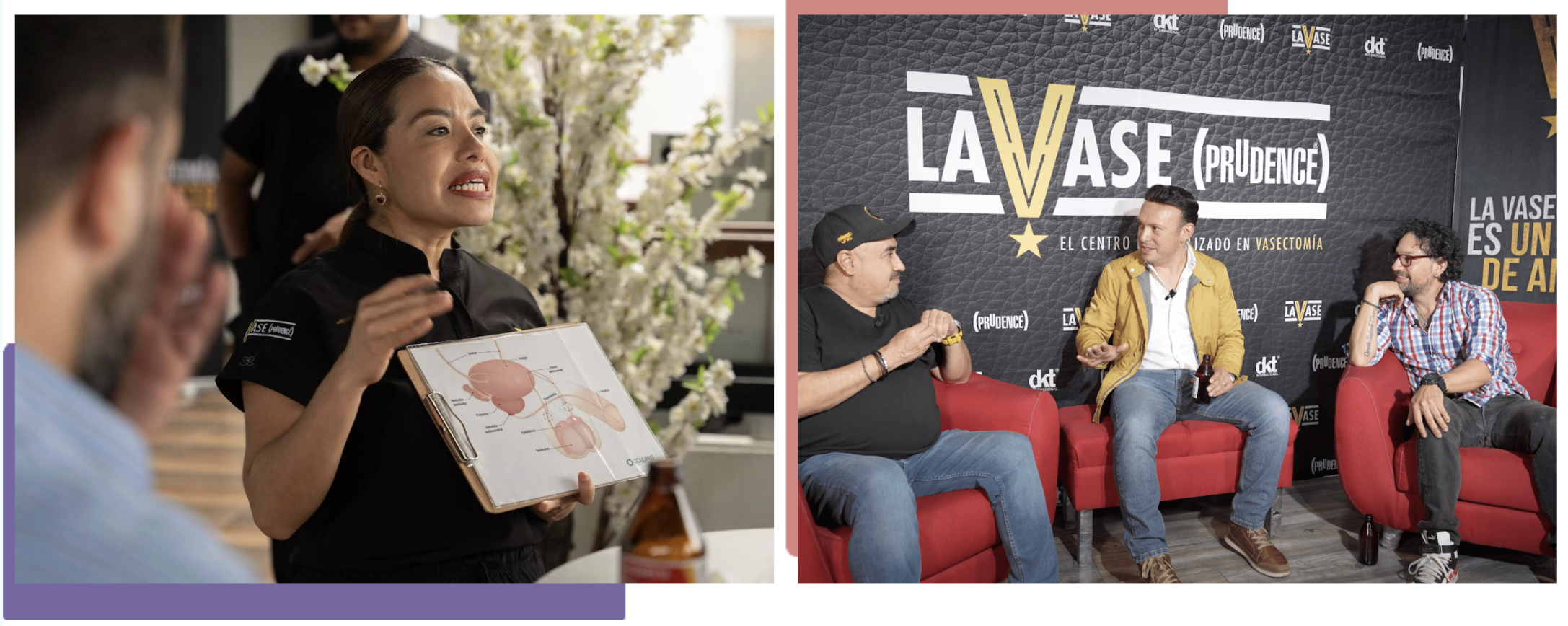
Family planning works best when men are actively involved, and DKT is seeing that firsthand across the regions we work in. In Latin America, the La Vase initiative is bringing safe, high-quality vasectomy services directly to men in Mexico, El Salvador, and Panama. Mobile medical teams partner with trusted local clinics, making vasectomies easier and more convenient to access. The response has been strong, with high turnout and growing interest in shared responsibility when it comes to contraception. Each procedure represents a step toward reproductive freedom and more balanced decision-making within couples.
That same shift is taking hold in the Philippines. In 2019, DKT Philippines’ vasectomy program reached just 53 men. Today, more than 7,000 men have opted in, including 612 clients served during World Vasectomy Day last year alone. This growth reflects a real change in attitudes, as more men see family planning as part of their role and a way to support their partners’ autonomy. When men step up, women gain more control over their bodies, families can plan with confidence, and reproductive choice becomes a shared commitment
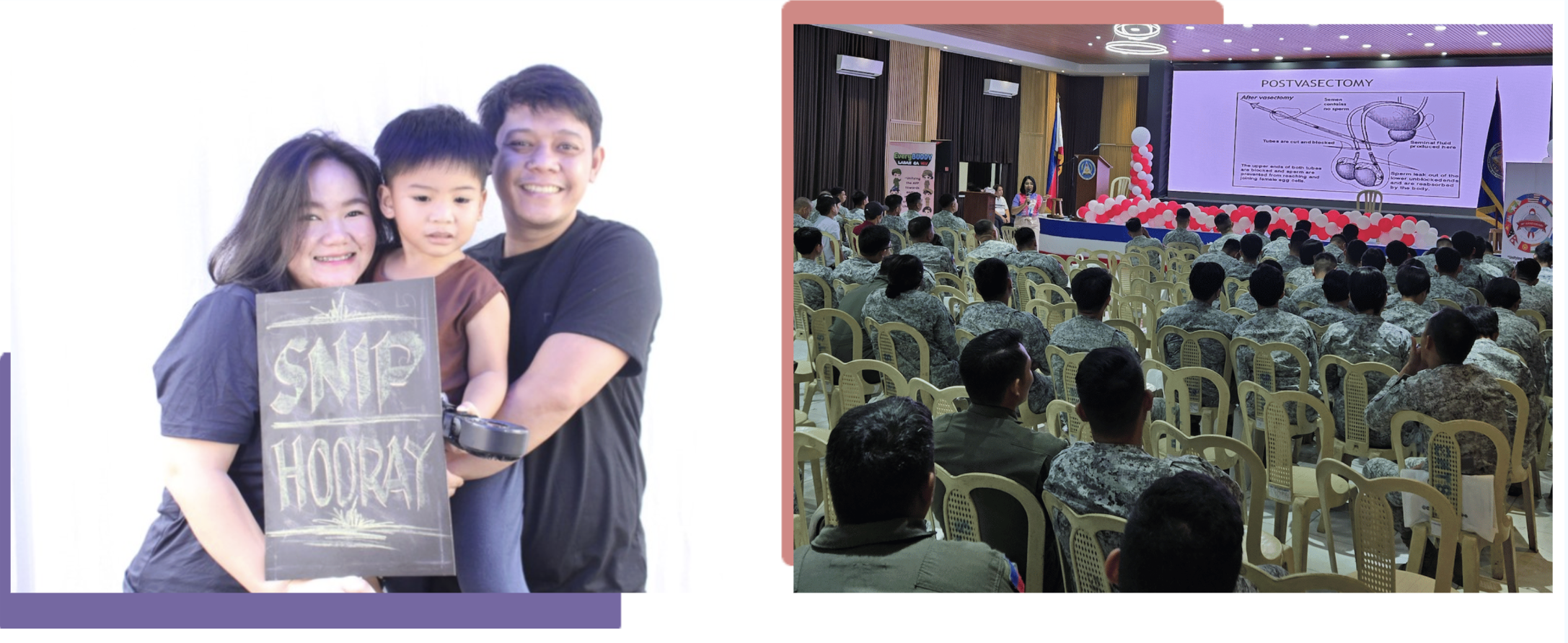
DKT will continue expanding our vasectomy initiatives in 2026, bringing more men into the conversation, one snip at a time.
Getting sexual and reproductive health information to the masses through every medium: including puppet shows
Across the world, DKT meets people where they are, using familiar traditions, language, and storytelling to share accurate sexual and reproductive health information. In Pakistan, DKT has brought health education into community festivals, or “melas.” In many areas, myths and stigma still limit understanding of maternal health, child spacing, and family planning, and traditional health messaging often fails to connect. By embedding trusted information into culturally relevant settings, DKT helps turn sensitive topics into normal, approachable conversations.
Through the Dhanak Mela initiative, DKT Pakistan brought interactive, experience-based learning directly to communities around SEW (Self-Employment of Women) clinics nationwide. Colorful setups, games, and creative activities helped break down complex health concepts in ways that were easy to understand and remember, especially for women and children. Specially designed tools, like puppet shows, delivered messages about family planning and child spacing in a non-judgmental way, creating a safe space for open dialogue. By normalizing conversations around reproductive health, DKT empowers families to make informed decisions and feel confident when seeking out health services.
Opening doors to the future in Mozambique
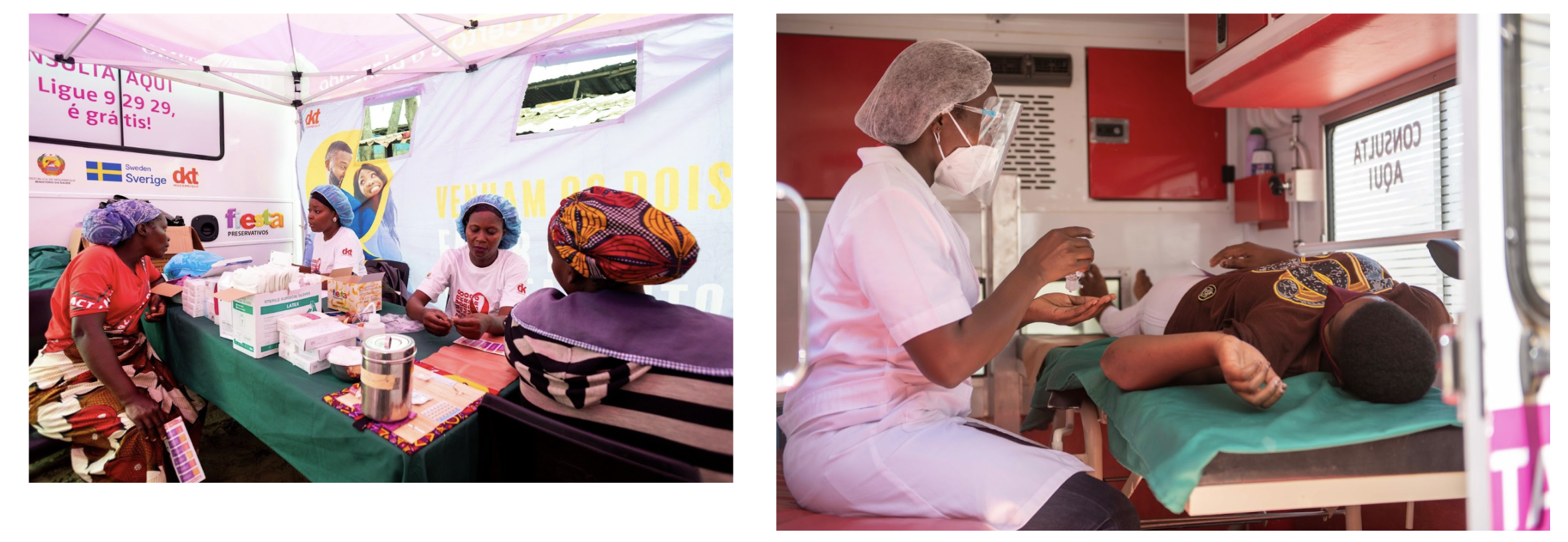
In Northern Mozambique, 18-year-old Amelina attended a school session led by DKT Mozambique that helped her understand how to protect herself from early pregnancy, something she had seen derail the futures of women in her own family. When a DKT mobile clinic later visited her community, she chose a contraceptive implant so she could stay focused on school and her dream of becoming a teacher.
Stories like Amelina’s show what’s possible when young women have clear information, trusted services, and choice, especially at a time when Mozambique’s health system is adjusting to major shifts in external support, including the end of U.S. foreign aid programs that for years brought hundreds of millions of dollars in health funding to the country annually.
Despite these broader challenges, DKT Mozambique delivered a record year in 2025. The program reached more than 200,000 women and girls for the first time, exceeding annual goals. December was the strongest month on record, with nearly 19,000 women and girls accessing family planning through mobile clinics, fixed sites, and urban trailers. Outreach teams worked across 10 provinces, helping many first-time users start contraception and supporting thousands more with options that fit their lives. Together, these efforts show how community-based care can continue to open doors for young women like Amelina and for families across Mozambique, even when other systems fall short.