
Dear Friend of DKT,
For years, people have asked us how we know DKT’s model works beyond our own numbers. This month, we have an additional and independent answer. We asked Maisha Meds, a research organization with no ties to DKT, to examine our footprint across sub-Saharan Africa using trade data, public procurement records, DKT sales data and point-of-sale data from nearly 6,000 private pharmacies and clinics. The findings confirm what our country teams see every day: in many of the markets we serve, DKT is one of the primary sources of contraception for families.
The report arrives at an important moment. As donor funding for family planning supplies shrinks, more women rely on private pharmacies and drug shops, where quality and affordability are harder to guarantee. Evidence like this helps funders see where their support can do the most good. We will host a webinar with Maisha Meds in mid-January, 2027 to walk through the findings, and I hope you will join us. Read the report below and stay tuned for more information on the webinar!
Below, you will also find how our teams around the world marked World Contraception Day in their own ways, from a family planning quiz for high school students in DKT Anglophone West Africa (AWA) to DKT Mekong’s celebration in Hanoi… Find more fun videos below! And in India, our social marketing program Janani has begun offering contraceptive implants in its clinics in Bihar. And with Giving Tuesday coming up on December 1, be sure to see this year’s thank-you gift for our supporters and save the date.
Read on to learn more, and as always, reach out with any questions or comments.
Cheers,
Christopher Purdy
An independent look: DKT’s footprint and impact in sub-Saharan Africa
Since 2020, DKT has sold nearly 1.9 billion contraceptive products across 31 countries in sub-Saharan Africa. That is one of the findings of an independent assessment by Maisha Meds, examining the Family Planning Landscape in Sub-Saharan Africa. The report combined international trade data, public and donor procurement records, DKT sales data and retail data from nearly 6,000 private pharmacies, clinics, and drug shops in Kenya, Nigeria, Tanzania, and Uganda.
More protection, not just more products. Between 2020 and 2025, the number of couple years of pregnancy protection (CYPs) DKT provided through the sale of contraception, doubled, from 9.8 million to 19.6 million. The reason is a shift toward long-acting methods. Implants and IUDs delivered about 61% of the protection. In the implant market, DKT grew about 75% a year, compared with 4% for the rest of the market.
A leading source of contraception. In the markets where it works, DKT supplies an estimated 62% of copper IUDs, 43 to 45% of emergency contraception, and 32 to 39% of birth control pills. Social marketing organizations like DKT now supply more than 70% of emergency contraception and more than 60% of pills in these markets, and DKT is the largest of them.
Quality families can trust. When products sell at very low prices with little oversight, quality can suffer. In 2025 and 2026, regulators in Nigeria and Kenya warned the public about falsified emergency contraception in circulation. DKT requires all suppliers to hold recognized manufacturing certifications and uses independent testing and audits. Maisha Meds did not audit these procedures, but it reviewed DKT’s testing records and found that the sampled batches met requirements.
A model built to last. In 2025 DKT covered 83% of its operating costs through product sales, with a goal of reaching 90% by 2030. That means donor support goes further: instead of paying for the same supplies year after year, it helps DKT reach new markets and launch new products.
We will host a webinar with Maisha Meds in January 2027 to discuss the findings. Details will follow in a future newsletter (subscribe here) and on our social media. You are so welcome to join us and ask any questions you may have!
↓ Stay tuned ↓
World Contraception Day: myths busted, questions answered!
Across DKT’s programs, teams marked World Contraception Day by meeting people where they are, from classrooms to social media feeds. Explore more below:
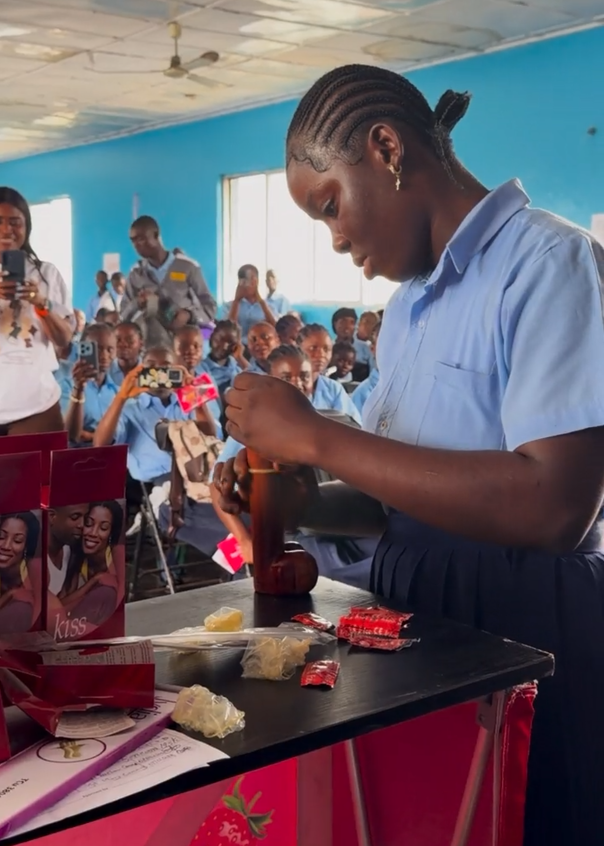
In Liberia, DKT AWA and the Ministry of Health kicked off the celebrations by bringing family planning education to four senior high schools in Buchanan. More than 400 students learned about the contraceptive options available to them and talked through common myths, especially about fertility and emergency contraception. Then came a quiz, with student teams going head to head. The real win was a space where young people could ask honest questions and get accurate answers!
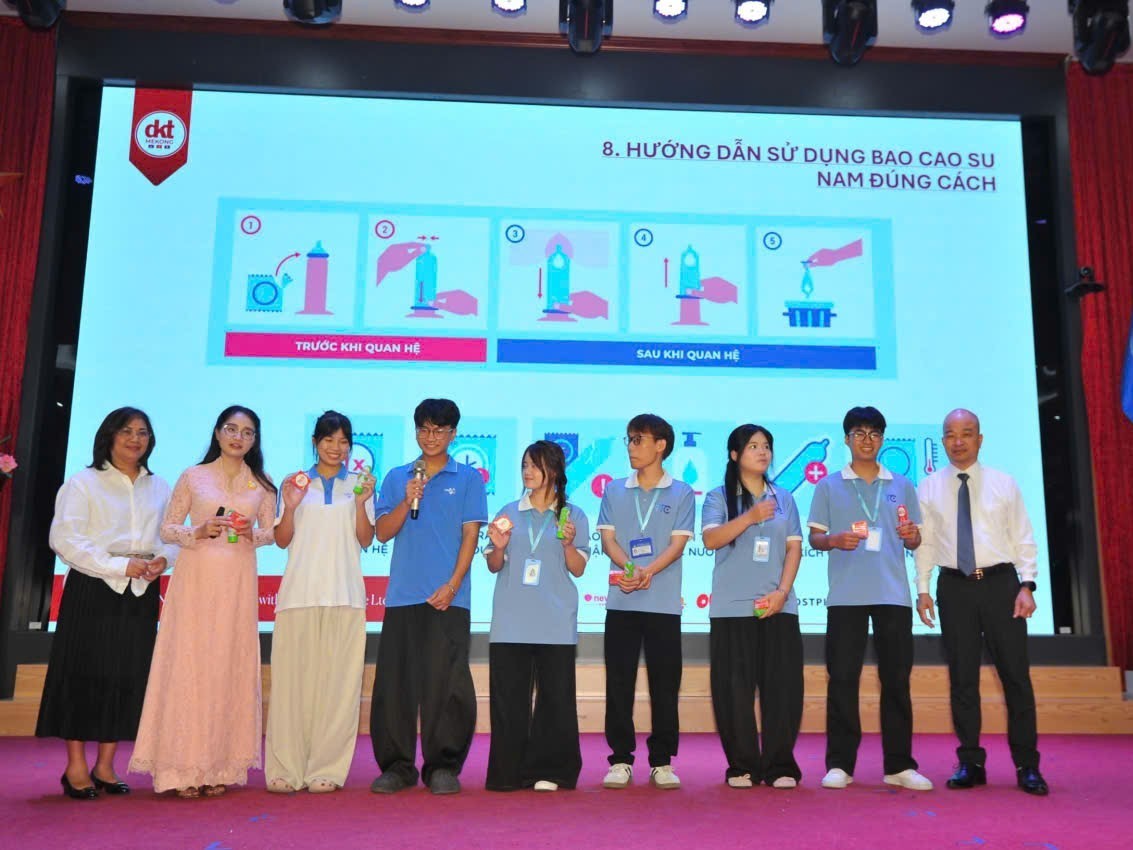
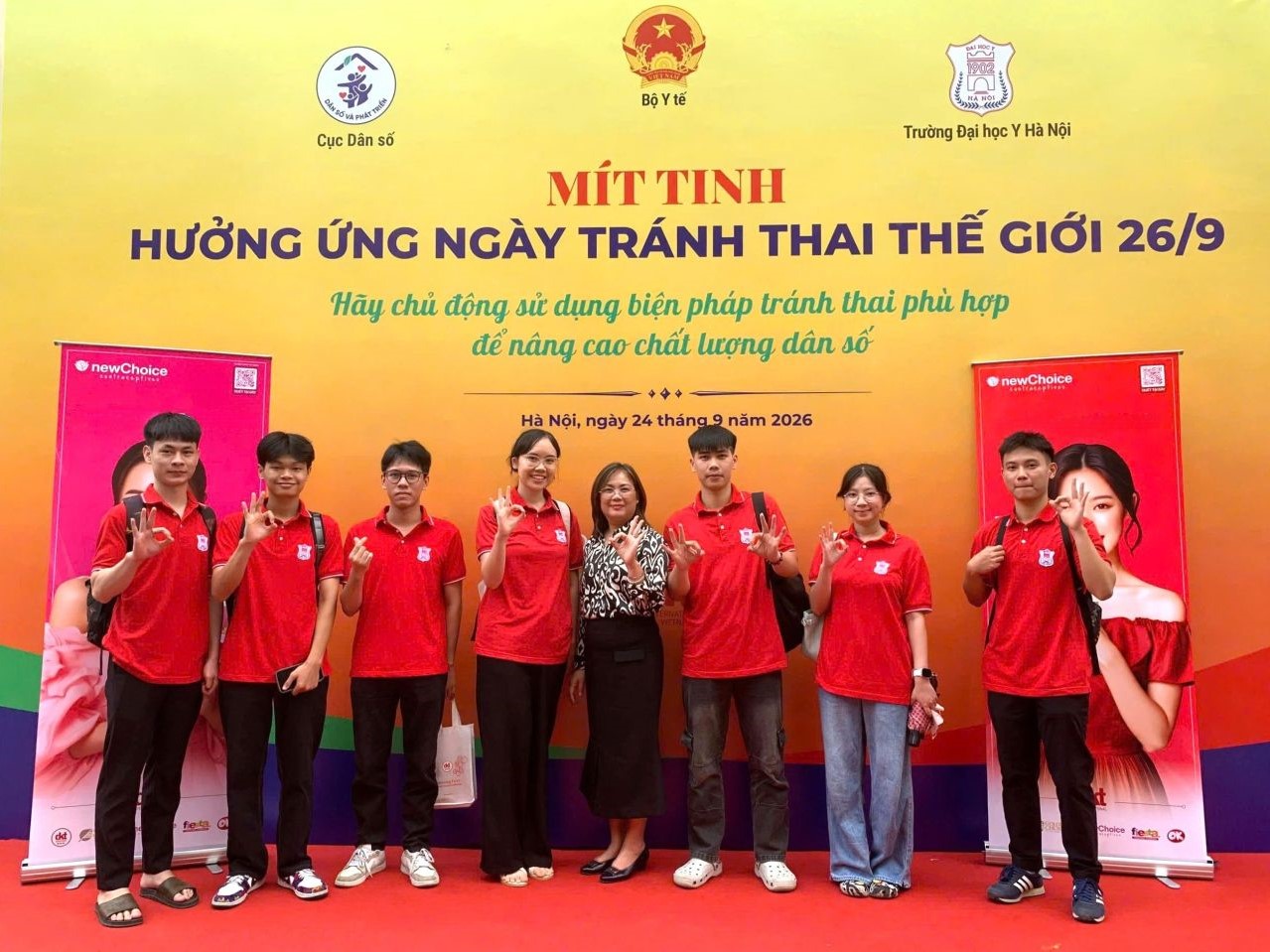
In Vietnam, DKT Mekong joined the Ministry of Health and the national population authority for a World Contraception Day event at Hanoi Medical University, attended by more than 300 delegates. A day earlier, on September 25, the Fiesta Unitour brought nearly 1,000 students together at the University of Economics – Technology for Industries in Hanoi, about half in person and half online from a university in Nam Dinh. Students joined an educational session and hands-on games, and a health professional answered their questions about sexual and reproductive health and contraception.

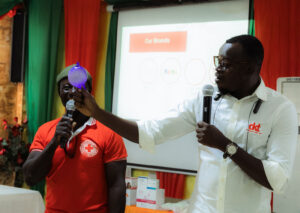
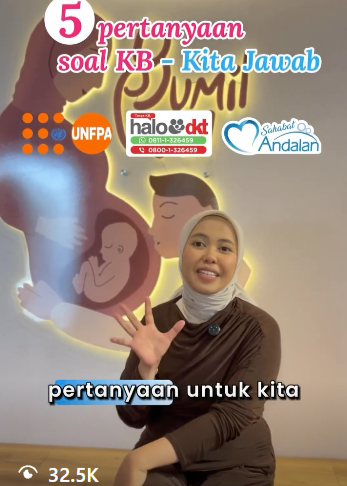
In Southeast Asia, DKT Philippines took to the streets. A video of our office custodian, Tom, greeting surprised passersby with a fist bump, a “Happy World Contraception Day,” and free TRUST condoms reached more than 183,000 people on Facebook. What’s more, DKT Indonesia collaborated with UNFPA Indonesia and their midwife ambassador, Bidan Jamilatus, to answer commonly asked contraception questions in commemoration of World Contraception Day.
↓↓↓ Click to view full reels below ↓↓↓


A new choice for women in Bihar
In September, a Surya clinic in Bihar, India, performed its first contraceptive implant insertion. Surya clinics are run by Janani, a program of DKT in India. For the Janani team, it marks the first time in decades that they have added a new family planning service.
An implant is a small, flexible rod placed under the skin of the upper arm. It protects against pregnancy for several years, with nothing to remember day to day. But in the private sector, implants are expensive, and that puts them out of reach for many families in Bihar. Janani is offering them at a subsidized price of $26, roughly half of what other private providers charge.
The launch comes as Janani’s clinics head into their busiest season. The clinics had their strongest month since March, and the Bihar government’s annual family planning campaign is getting underway. Janani’s pharmacy products are growing too: sales of its birth control pills have already passed last year’s total, with three months still to go in 2026.
This Giving Tuesday…
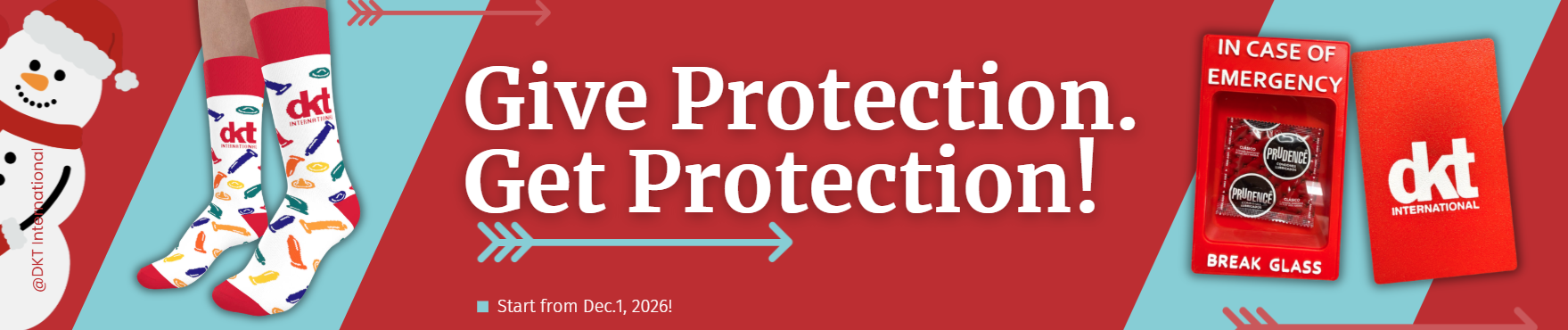
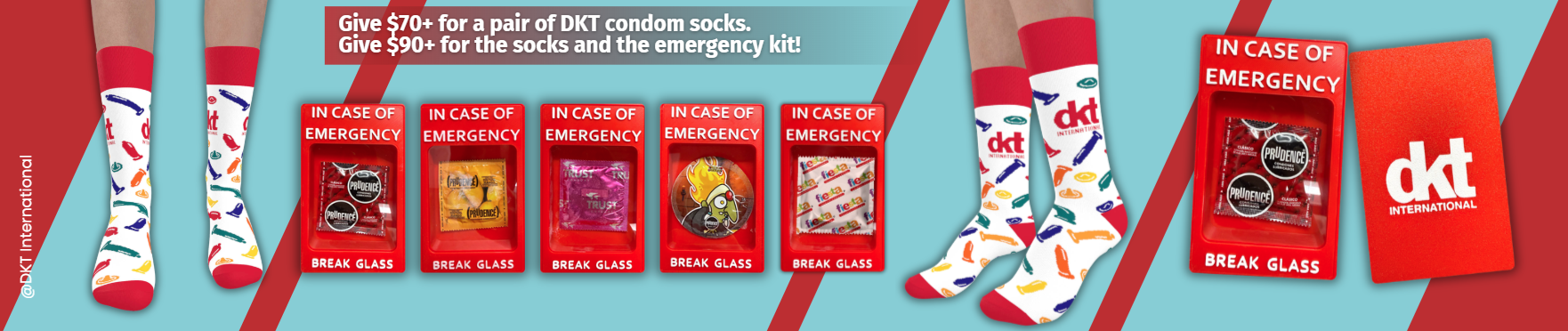
This Giving Tuesday, December 1, your gift supports reproductive health and rights in 100+ countries, and comes with a thank-you. Give $70 and we’ll send DKT’s condom socks; give $120 and add our “In Case of Emergency / Break Glass” kit (international: $90 / $140). On average, $70 provides about 74 couples with a full year of contraception.
The campaign runs December 1–31, 2026 (remind me later!). Gifts must be made through the campaign link or QR code to qualify.
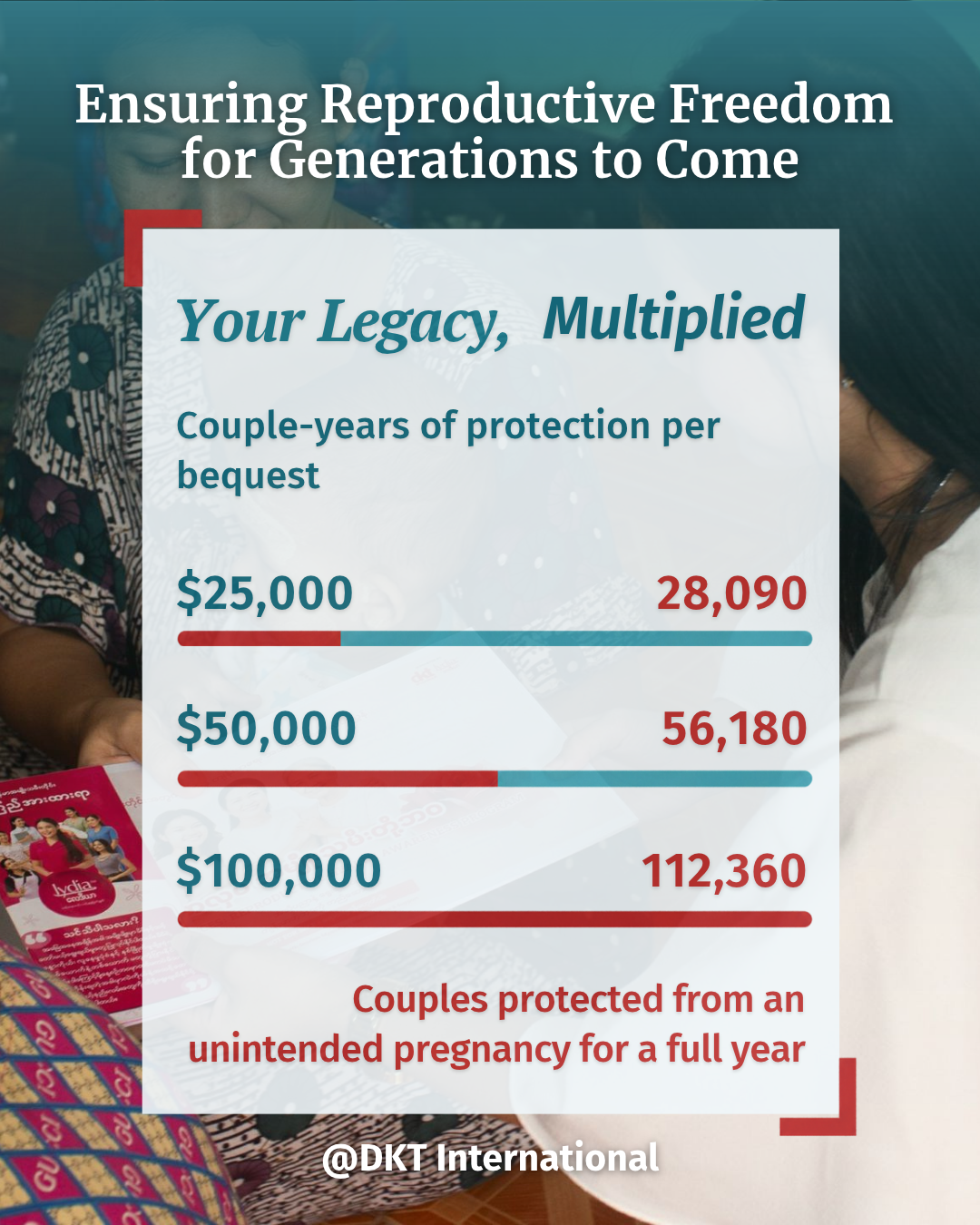
Your legacy, multiplied
Reproductive freedom will not be secured in a single generation. Keeping contraception and safe reproductive healthcare within reach will take resources that last for decades. DKT’s founder, Phil Harvey, understood this. He named DKT as a beneficiary of his estate, and in 2025 that gift allowed DKT to put $50,000 into the hands of every country program with one guiding principle: do something that would make Phil proud. Those funds are still at work today, training providers in Vietnam and opening an emergency clinic after Turkey’s earthquakes. And… You can also hear Silvia Okoth reflect on her first year as a 2025 Phil Harvey SRHR Innovation Award winner!
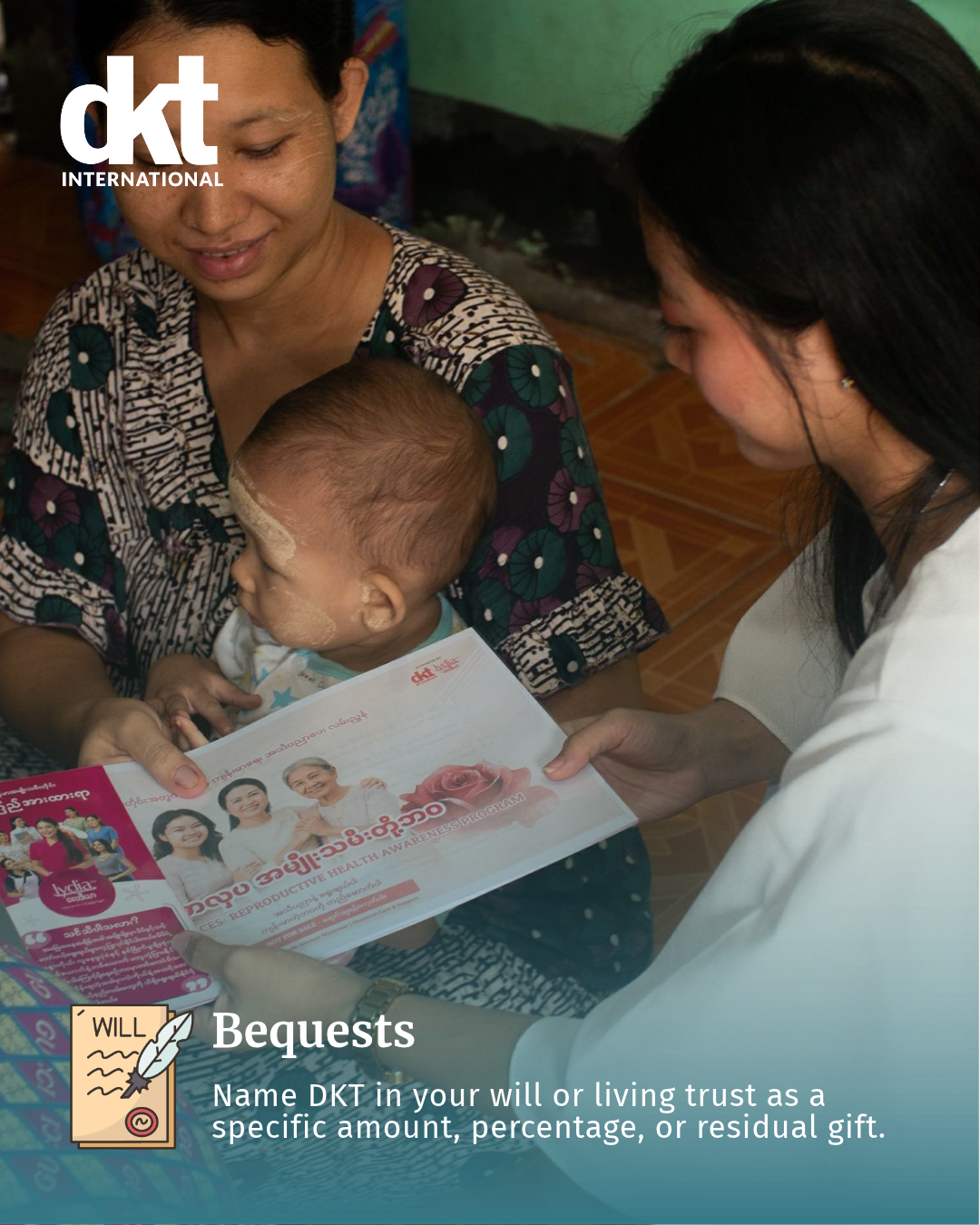
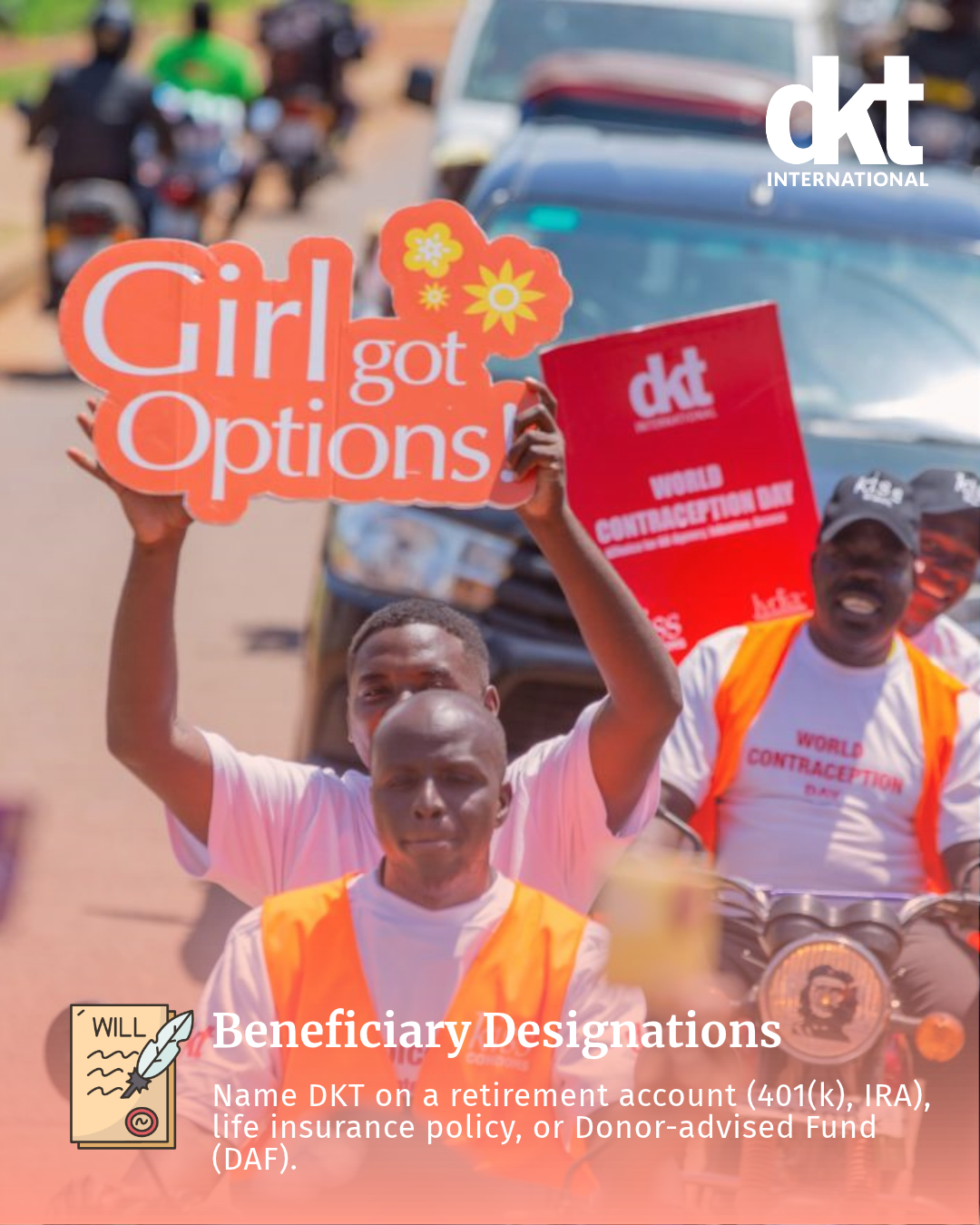
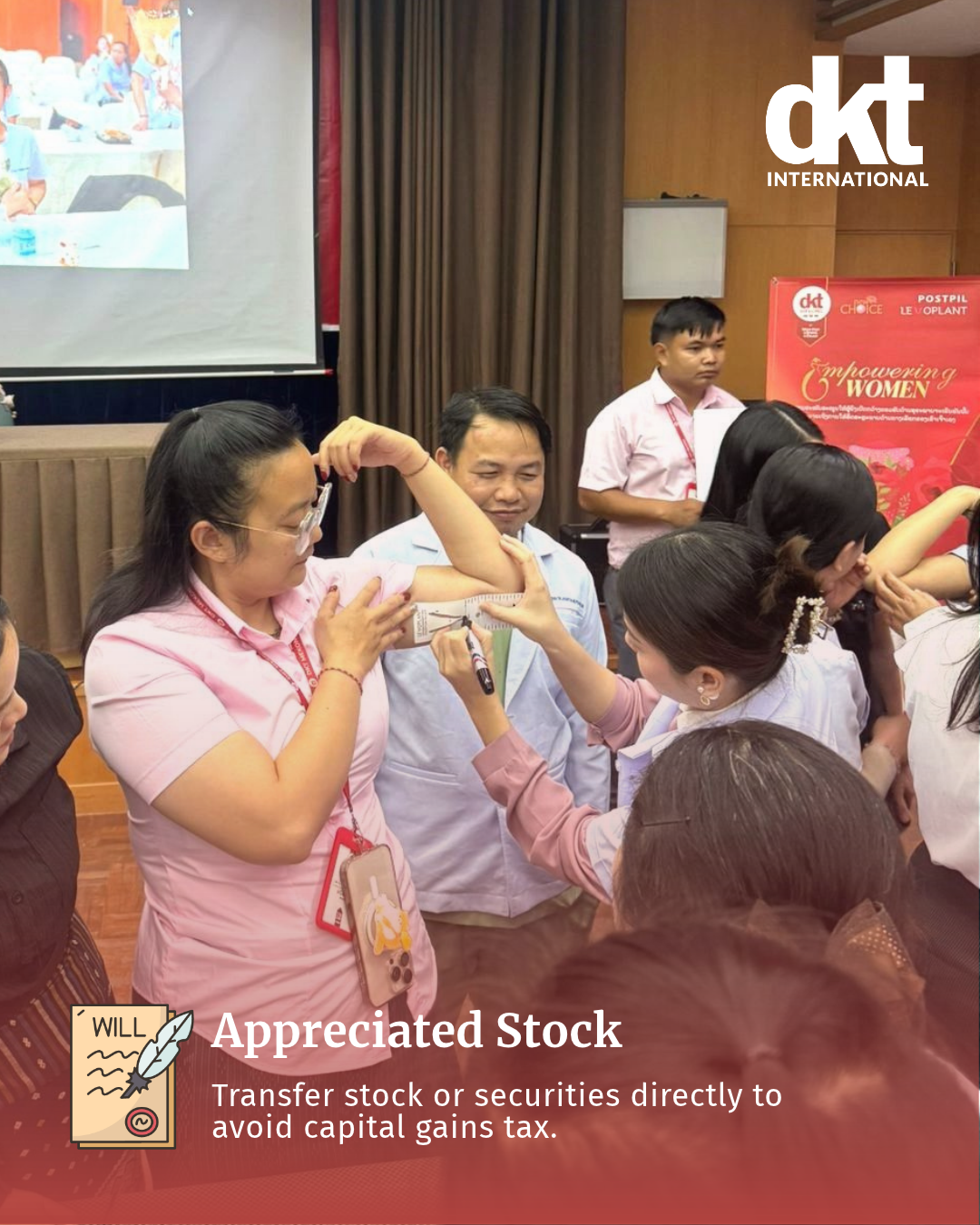
You can include DKT through a bequest in your will or living trust, a beneficiary designation on a retirement account, life insurance policy, or DAF, a transfer of appreciated stock, a DAF successor gift, or a charitable trust. Thank you for considering making your legacy multiplied by supporting us!

Good ideas are worth a second read. Here are a couple of past stories still shaping how we think about our work: